Sidney Harman is 91? He doesn’t look a day over 80. His wife, Jane, by the way, represents the 36th district of California. She’s the second-richest House member.
source
A stereo tycoon will now own Newsweek. The Washington Post Company, in an effort to get rid of deadwood, tried selling their long-standing Time adversary, Newsweek, and tonight, word’s leaked out that they succeeded. And what better choice for a new boss than 91-year-old Sidney Harman, a stereo company owner who we’re ensured doesn’t have a tin ear. His plans for the product include amplification of online content, noise-cancellation of the editorial pages, and finding the right pitch for a publication that has struggled of late to find its way. Newsweek will be singing a new tune after tonight! source
Want to build your own iPhone? You may run into patent trouble in the U.S. if you get too far, but if you pick the right emerging market, you may be able to pull it off without running into patent trouble. Indian-American scholar Vivek Wadhwa throws out this knowledge – the “Patent-Free Zone” – to budding entrepreneurs on TechCrunch. Put simply, you could go to Mexico – where Apple doesn’t have many patents filed – and create a similar product there without much legal trouble. And it extends to any number of products. It’s actually a smart approach – as long as you have the right product and the right market. source
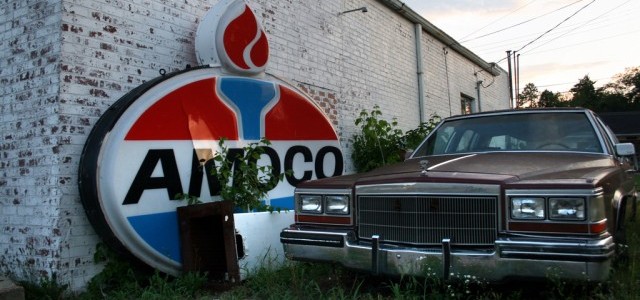
Poor Amoco. A decade ago, BP decided to ditch the old workhorse brand and replace it with BP’s sun-looking thingy, which seemed like a good idea back then, but now that the oil spill has dragged BP’s brand through the mud for a solid three months, gas station owners want to switch back. Because, let’s face it – BP station owners are on the front lines of this mess. They have to deal with the pissed-off consumers and lower sales caused by the oil spil. BP might as well make it easier on them. (Photo by theogeo on Flickr)source
20
millionthe number of people who use Netflix, which has only been around about 12 years
24
millionthe number of people who use Comcast, which has been around over 40 years
$9Mthe amount Netflix paid studios for streaming films in the second quarter of last year
$66Mthe amount Netflix spent on acquiring movies for its streaming service this past quarter
$116Mthe amount the company paid to movie studios for in the first six months of 2010 source
» A win-win relationship? While the relationship clearly favors the film studios at this point, the success of Netflix’s streaming model has proven fruitful, especially since it hasn’t come at a higher cost to the consumer. While Netflix has pushed more money into streaming distribution, they’ve had to put less into their DVD budgets, meaning that money is shifting from one platform to another. Oh, and it helps that they’ve nailed streaming movies better than anyone else. (Hat tip to Jeff Greco for finding this.)